

Living with endometriosis can be incredibly challenging. The chronic pain and inflammation often impact daily life. However, your diet plays a powerful role in managing these symptoms. By making informed food choices, you can actively work towards reducing discomfort and improving your well-being.
This article will explore tactical dietary approaches. We will focus on foods that fight inflammation and support hormonal balance. Understanding the broader context of advanced menstrual cycle nutrition and hormone imbalance is key to comprehensive symptom management.
Understanding Endometriosis and Diet
Endometriosis involves tissue similar to the uterine lining growing outside the uterus. This tissue reacts to hormonal changes, leading to inflammation and pain. Diet can either fuel or calm this inflammatory response.
The Role of Inflammation
Chronic inflammation is a hallmark of endometriosis. Certain foods can trigger or worsen this inflammation. Other foods contain compounds that actively reduce it.
Hormonal Balance and Nutrition
Estrogen dominance is often linked to endometriosis. Some foods can influence estrogen levels. A balanced diet supports the body's natural detoxification pathways. This helps process excess hormones more effectively.
Anti-Inflammatory Diet Principles
The core of managing endometriosis through diet is an anti-inflammatory approach. This means choosing foods that calm the body's immune response.
Focus on Whole Foods
Prioritize unprocessed, whole foods. These include fresh fruits, vegetables, lean proteins, and healthy fats. They provide essential nutrients without added inflammatory agents.
Hydration is Key
Drink plenty of water throughout the day. Proper hydration supports all bodily functions. It helps with nutrient transport and waste elimination.
Foods to Embrace for Endometriosis Relief
Filling your plate with these foods can make a significant difference. They are packed with anti-inflammatory and hormone-balancing properties.
Omega-3 Rich Foods
Omega-3 fatty acids are powerful anti-inflammatory agents. They can help reduce pain and swelling. Good sources include fatty fish like salmon, mackerel, and sardines.
Plant-based options include flaxseeds, chia seeds, and walnuts. Aim for several servings per week.
Fiber-Rich Fruits and Vegetables
Fiber helps with digestion and hormone excretion. It binds to excess estrogen in the gut. This prevents it from being reabsorbed into the bloodstream.
Eat a wide variety of colorful fruits and vegetables. Berries, apples, leafy greens, broccoli, and carrots are excellent choices.
Antioxidant Powerhouses
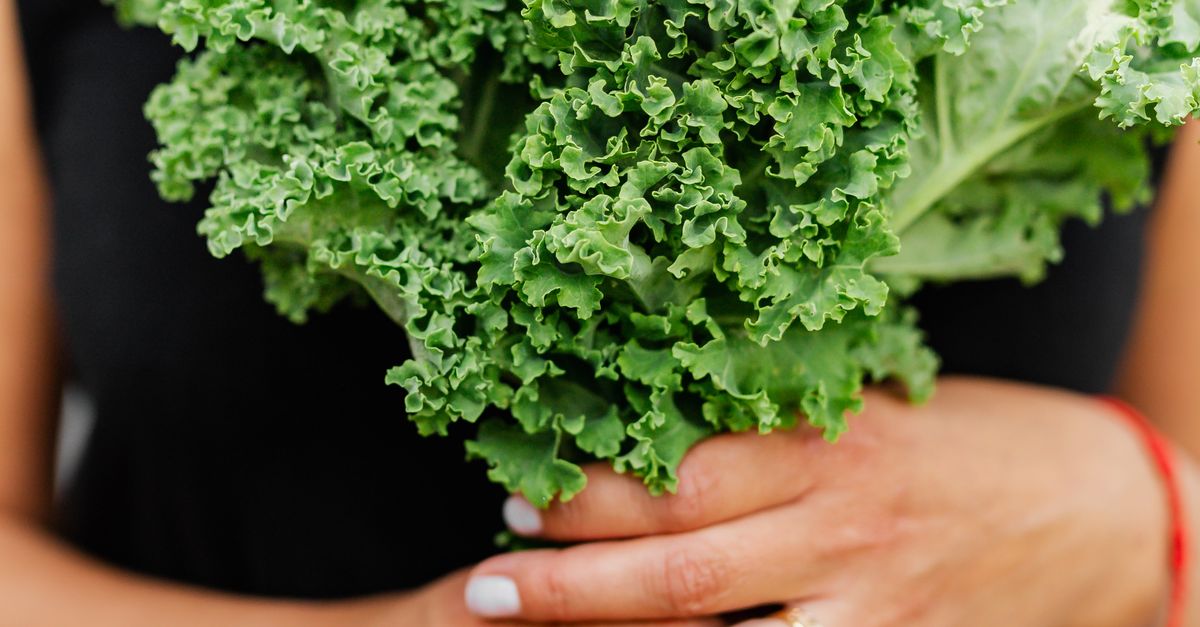
Antioxidants protect cells from damage caused by inflammation. They are abundant in brightly colored produce. Think spinach, kale, blueberries, and dark chocolate (in moderation).
Spices like turmeric and ginger also offer strong antioxidant benefits. Incorporate them into your cooking daily.
Lean Proteins
Opt for lean protein sources. These include chicken, turkey, fish, and plant-based proteins like lentils and beans. Protein is essential for tissue repair and overall health.
Healthy Fats
Beyond omega-3s, include other healthy fats. Avocado, olive oil, and nuts are great sources. These fats support hormone production and absorption of fat-soluble vitamins.

Foods to Limit or Avoid
Reducing or eliminating these foods can lessen inflammation and pain. They are often triggers for endometriosis symptoms.
Red Meat and Processed Meats
Red meat, especially processed varieties, can be pro-inflammatory. It contains arachidonic acid, which can increase pain-causing prostaglandins. Consider reducing your intake or choosing lean, grass-fed options sparingly.
Refined Sugars and Processed Foods
Sugary drinks, sweets, and highly processed snacks are major inflammation culprits. They can also contribute to weight gain and hormonal imbalances. Focus on natural sweetness from fruits instead.
Gluten and Dairy (Consider Elimination)
For many with endometriosis, gluten and dairy can exacerbate symptoms. They may trigger inflammatory responses or digestive issues. An elimination diet can help identify if these are personal triggers. Consult with a healthcare professional before making drastic dietary changes. Research from the National Institutes of Health on diet and endometriosis suggests potential benefits of such approaches.
Alcohol and Caffeine
Both alcohol and excessive caffeine can impact hormone levels. They may also disrupt sleep and increase inflammation. Try to limit or avoid them, especially during your menstrual cycle.
Specific Dietary Approaches
Beyond general principles, some specific diets show promise for endometriosis management.
The Mediterranean Diet
This diet emphasizes fruits, vegetables, whole grains, legumes, nuts, seeds, and olive oil. It includes moderate amounts of fish and poultry, with red meat being rare. Its anti-inflammatory nature makes it ideal for endometriosis. Learn more about its benefits from sources like the Mayo Clinic.
Elimination Diets
Working with a nutritionist, an elimination diet can pinpoint specific food sensitivities. This involves removing common triggers like gluten, dairy, soy, and corn for a period. Then, reintroducing them one by one to observe reactions. This personalized approach can be highly effective.
Supplements and Lifestyle
While diet is primary, certain supplements and lifestyle factors can provide additional support.
Key Supplements
Magnesium: Can help relax muscles and reduce pain.
Vitamin D: Linked to immune function and inflammation regulation.
N-acetylcysteine (NAC): May reduce endometrioma size and pain.
Omega-3s: As mentioned, can be supplemented if dietary intake is insufficient.
Always consult your doctor before starting any new supplements. They can interact with medications or have contraindications.
Lifestyle Factors
Stress management, regular exercise, and adequate sleep are crucial. These factors work synergistically with diet to reduce inflammation and improve overall health. Gentle exercise like yoga can be particularly beneficial for pain management.
Conclusion
Adopting an anti-inflammatory, whole-foods diet is a powerful step in managing endometriosis pain and inflammation. By embracing nutrient-dense foods and limiting inflammatory triggers, you can significantly improve your quality of life. Remember, consistency is key, and personalized approaches often yield the best results. Work with healthcare professionals to tailor a plan that works for you.
References
Parazzini, F., Viganò, P., Candiani, M., & Di Martino, M. (2013). Diet and endometriosis: a systematic review of the literature. Reproductive BioMedicine Online, 26(4), 323-336.
Barnard, N. D., Holtz, D. N., Schmidt, N., Frattaroli, J., & Nejati, N. (2019). Nutrition in the prevention and treatment of endometriosis: A review. Journal of Endometriosis and Pelvic Pain Disorders, 11(2), 79-89.
Hansen, K. A., & Schlaff, W. D. (2014). ACOG Practice Bulletin No. 114: Management of Endometriosis. Obstetrics & Gynecology, 124(5), 1017-1032.
Huijgen, N. A., & de Bruijn, J. A. (2018). The Role of Diet in the Management of Endometriosis. Frontiers in Nutrition, 5, 67.
Frequently Asked Questions
What foods should I avoid with endometriosis?
It's generally recommended to limit or avoid red meat, processed foods, refined sugars, and excessive alcohol and caffeine. Many individuals also find relief by reducing gluten and dairy, but this often requires a personalized elimination approach.
Can diet truly reduce endometriosis pain?
Yes, diet can significantly impact endometriosis pain and inflammation. An anti-inflammatory diet rich in whole foods, omega-3s, and antioxidants can help calm the body's inflammatory response, potentially leading to reduced pain and improved symptoms. It's a key component of a holistic management strategy.
How quickly can I expect to see results from dietary changes?
Results can vary for each individual. Some people may notice improvements in a few weeks, while for others, it might take a few months of consistent dietary changes. Patience and consistency are crucial. Keeping a food and symptom journal can help track progress.
Are there any specific supplements recommended for endometriosis?
Commonly considered supplements include magnesium for muscle relaxation, Vitamin D for immune support, N-acetylcysteine (NAC) for potential lesion reduction, and omega-3 fatty acids for anti-inflammatory effects. Always consult with your doctor or a registered dietitian before starting any new supplements to ensure they are appropriate for your specific health needs.