

Living with endometriosis can feel relentless. Chronic pain, constant inflammation – they often cast a long shadow on everyday life. But what if your plate contained a key? Your diet plays a surprisingly important role in managing these symptoms. By making thoughtful food choices, you can actually reduce discomfort and increase your overall well-being. It's about empowering yourself through everyday meals.
In this article we'll get to the practice. We'll look at foods that actively fight inflammation and support a healthier hormone balance. Understanding how diet relates to advanced menstrual cycle nutrition and hormone imbalance is critical to managing symptoms effectively.
Understanding endometriosis and your Plate disease
Endometriosis occurs when tissue, just like the lining of the uterus, grows outside of it. This tissue reacts to hormonal shifts, causing inflammation and pain. What you eat can fuel inflammation or help calm it.
Inflammation: a key factor
Persistent inflammation is key to endometriosis. Some foods can actually trigger or intensify this inflammation. On the other hand, many foods naturally contain properties that help calm it.
Hormones and what you eat
Many people with endometriosis deal with what is called estrogen dominance. And guess what? Foods can definitely impact estrogen levels. A well-rounded diet provides your body with what it needs to naturally process and eliminate excess hormones, helping bring things back into better balance.
Build Your Anti-Inflammatory Plaque
When we talk about managing endometriosis with food, we're really talking about an anti-inflammatory approach. It's about choosing foods that help soothe your body's internal systems, reducing that constant inflammatory buzz.
Embrace whole foods
The best solution? Stick to whole, unprocessed foods. Think fresh fruit, colorful veggies, lean proteins, and good-for-you fats. These foods provide vital nutrients without all the artificial elements that can trigger inflammation.
Don't skimp on water!
Drink that water all day. Good hydration helps every part of your body function better. It helps transport nutrients where they need to go and eliminate waste. Simple, but so powerful.
Foods to Take to Relieve Endometriosis
Making these foods a regular part of your meals can really change the way you feel. They are rich in natural compounds that fight inflammation and help balance hormones.
Reach Omega-3s
Omega-3 fatty acids seriously fight inflammation. They can help calm pain and reduce swelling. Where do you find them? Think fatty fish like salmon, mackerel and sardines.
Do you prefer plant-based fish? Flaxseeds, chia seeds, and walnuts are also great. Try to get a few servings each week.
Load up on fiber (hello, fruits and vegetables!)
Fiber is your gut's best friend. It helps digestion, yes, but it also helps the body process hormones. Here's how: It actually captures excess estrogen in the gut, preventing it from returning to the bloodstream. It's a great boon for hormone balance!
So fill your plate with a rainbow of colorful fruits and vegetables. Berries, crisp apples, leafy greens, broccoli and carrots are all superstar choices.
Antioxidants: your body's protectors
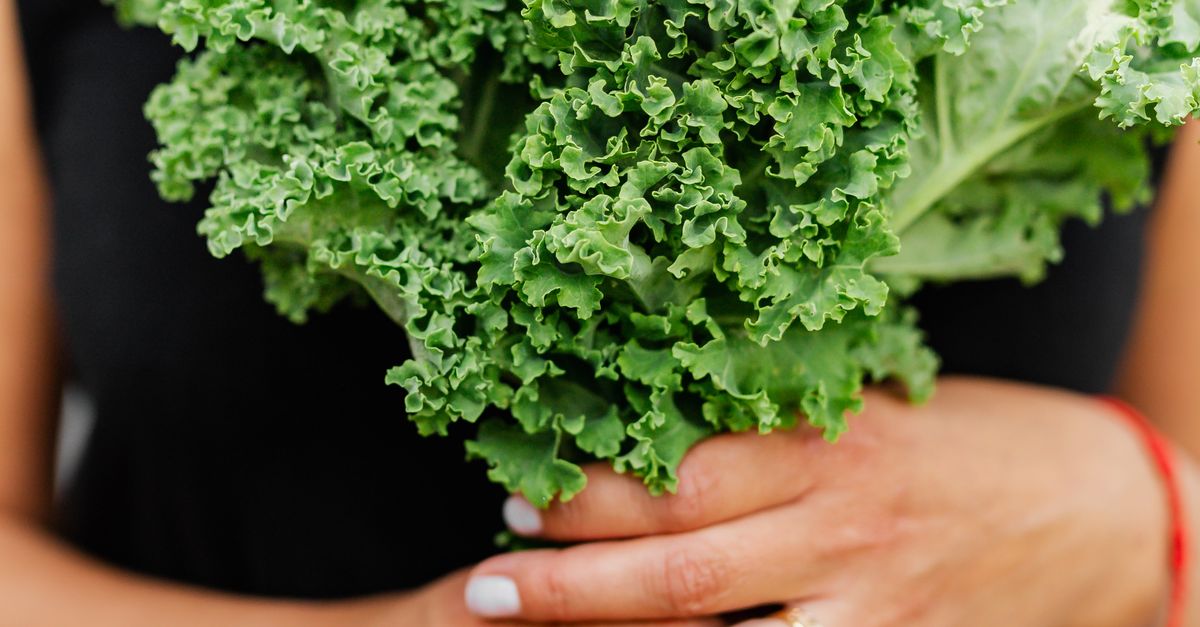
Antioxidants are like little superheroes, they protect cells from damage caused by inflammation. You'll find plenty of them in bright, colorful products. Think vibrant spinach, hearty kale, juicy blueberries, and even a little dark chocolate (enjoy them in moderation, of course!).
Don't forget the spices! Turmeric and ginger also contain a powerful antioxidant effect. Try incorporating them into your cooking every day.
Lean Protein for Repair
Choose lean protein sources whenever you can. That means chicken, turkey, fish, and great plant-based options like lentils and beans. Protein is absolutely vital for repairing tissue and keeping your entire body healthy.
Healthy Fats: Beyond Omega-3
And it's not just omega-3! Be sure to include other healthy fats in your diet. Avocados, olive oil and nuts are excellent choices. These fats aren't just tasty; they are essential for creating hormones and helping the body absorb important fat-soluble vitamins.

Foods to reconsider or reduce
Reducing or even completely eliminating some of these foods can really help calm inflammation and pain. They are often a big trigger for endometriosis symptoms.
Red meat and processed meats
Red meat, especially processed meat, often fuels inflammation. It contains something called arachidonic acid, which is linked to compounds that can amplify pain. Think about reducing your intake. Or, if you eat it, choose lean, grass-fed foods and enjoy them less often.
Refined sugars and processed foods
Sugary drinks, sweets, and ultra-processed snacks are known to trigger inflammation. They can also alter your weight and throw your hormones out of whack. Skip them. Instead, choose the natural sweetness offered by fruit.
Gluten and dairy (maybe give it a break?)
Here's a major issue for many people with endometriosis: gluten and dairy. For some, these can actually make symptoms worse. They could trigger inflammatory reactions or cause digestive disorders. How do you know if they are *your* triggers? An elimination diet, done carefully, can often reveal the answer. Always talk to a healthcare professional, such as your doctor or a registered dietitian, before making any major changes to your diet. It's worth noting that National Institutes of Health research on diet and endometriosis also highlights the potential benefits of these approaches.
Alcohol and caffeine
Both alcohol and too much caffeine can cause adverse effects. your hormones are out of balance. They can also impair sleep and increase inflammation. It's a good idea to limit or even avoid them, especially during your menstrual cycle.
Specific Eating Plans to Consider
In addition to these general guidelines, some specific eating plans have attracted attention to help manage endometriosis.
The Mediterranean Diet
This way of eating focuses primarily on fruits, vegetables, whole grains, legumes, nuts, seeds, and plenty of olive oil. Fish and poultry are consumed in moderation, while red meat is a rare delicacy. Its well-known anti-inflammatory effects make it a fantastic solution to help soothe the symptoms of endometriosis. You can learn more about its benefits with resources like Mayo Clinic.
Elimination diets
That's where personalized detective work comes in. Working closely with a nutritionist, an elimination diet can help pinpoint specific foods that are causing problems. How does it work? Temporarily eliminate common triggers like gluten, dairy, soy, and corn. After a set period, you reintroduce them slowly, one by one, carefully observing any reactions. This tailored approach can be incredibly effective for some people.
Supplements and Daily Life
Yes, what you eat is huge, but certain supplements and lifestyle choices can also offer extra help.
Supplements to Consider
Magnesium: Often helps relax muscles, which can offer pain relief.
Vitamin D:Plays a role in healthy immune function and calming inflammation throughout the body.
N-acetylcysteine (NAC):Some research suggests it may help reduce the size of endometriomas and relieve pain.
Omega-3:We've already talked about this! If you're not getting enough from food, a supplement can fill the gap.
A really important note: always talk to your doctor before starting any new supplement. They may interact with medications you are already taking or may not be right for your specific health situation.
Daily habits matter
Don't underestimate the power of managing stress, getting regular exercise and getting enough sleep. These aren't just "nice to have"; they work hand-in-hand with your diet to reduce inflammation and really improve your overall health. Gentle exercises, such as yoga, can be especially helpful in managing pain.
Putting It All Together
Adopting a whole-food, anti-inflammatory diet is an important and powerful step in managing the pain and inflammation associated with endometriosis. By choosing nutrient-dense foods and reducing foods that cause inflammation, you can absolutely make a difference in how you live. Remember, sticking to it is important and what works best is usually a plan tailored to you. Always work with healthcare professionals to design an approach that truly fits your specific needs.
References
Parazzini, F., Viganò, P., Candiani, M., & Di Martino, M. (2013). Diet and endometriosis: a systematic review of the literature. Reproductive BioMedicine Online, 26(4), 323-336.
Barnard, N. D., Holtz, D.N., Schmidt, N., Frattaroli, J., & Nejati, N. (2019). Nutrition in the prevention and treatment of endometriosis: a review. Journal of Endometriosis and Pelvic Pain Disorders, 11(2), 79-89.
Hansen, K.A. and Schlaff, W. D. (2014). ACOG Practice Bulletin No. 114: Management of Endometriosis. Obstetrics and Gynecology, 124(5), 1017-1032.
Huijgen, N.A. and de Bruijn, J. A. (2018). The role of diet in the management of endometriosis. Frontiers in Nutrition, 5, 67.
Frequently Asked Questions
What foods should I try to avoid if I have endometriosis?
Most experts suggest reducing or avoiding red meat, processed foods, refined sugars, and too much alcohol and caffeine. For many, cutting back on gluten and dairy also helps, but this often means trying a personalized elimination approach to see if they are triggers for you.
Can what I eat really help with endometriosis pain?
Absolutely yes! Your diet can have a big impact on the pain and inflammation of endometriosis. An anti-inflammatory diet, rich in whole foods, omega-3s, and antioxidants, can help calm the body's inflammatory response. This often leads to less pain and improved symptoms. It's a critical part of managing your health holistically.
How quickly could I see results by changing my diet?
Everyone's body is different, so results may vary. Some people may notice improvements within a few weeks, while others may require a few months of consistent dietary changes. Be patient, stick with it! Keeping a food and symptom diary is a great way to keep track of your condition.
Are there specific supplements I should consider for endometriosis?
Some commonly discussed supplements include magnesium (for muscle relaxation), vitamin D (for immune support), N-acetylcysteine (NAC) (which some studies suggest may reduce lesion size), and omega-3 fatty acids (for their anti-inflammatory effects). Just remember to always talk to your doctor or a registered dietitian before starting any new supplement. They can help you ensure that it is safe and suitable for your specific health situation.